April 1, 2026
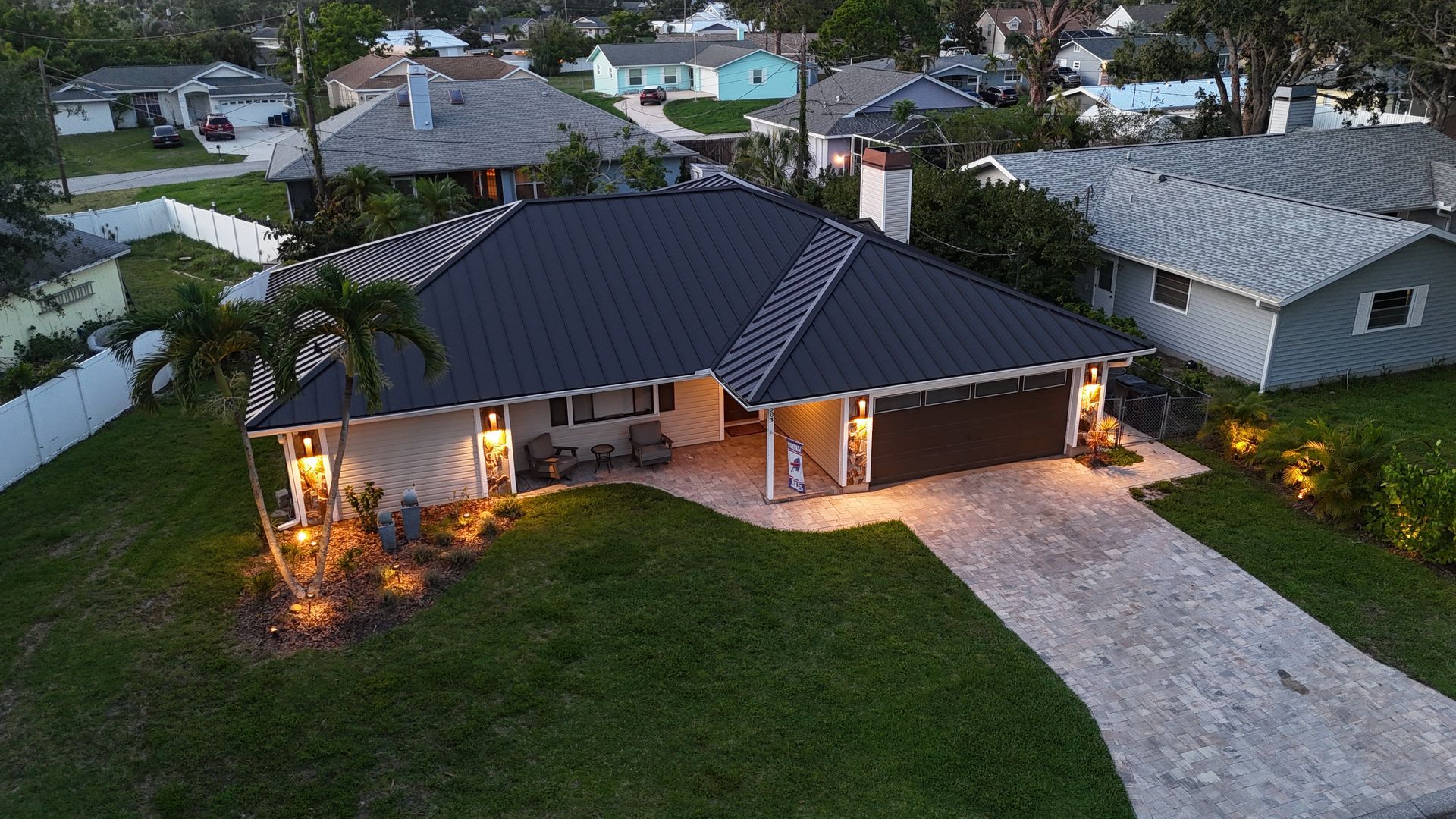
The choice of roofing material is a critical decision for homeowners and builders alike, influencing both aesthetics and functionality. Despite its growing popularity, metal roofing is often plagued by misconceptions that lead potential buyers to overlook its benefits. This article delves into six prevalent myths about metal roofs and provides factual insights to help consumers make informed choices about this durable and versatile roofing option, especially when consulting experienced residential roofers.
Myth 1: Metal Roofs Are Noisy
Understanding the Source of the Myth
The perception that metal roofs are excessively noisy likely originates from comparisons to old barn roofs or industrial tin roofing. In those settings, the metal sheets were typically installed without the sophisticated layers of insulation and underlayment used in modern residential applications. Such antiquated installations would indeed amplify the sound of raindrops, leading to the noisy stereotype. However, the reality of contemporary metal roofing systems is vastly different, having undergone significant technological advancements, as many residential roofers now emphasize advanced installation methods.
Comparison with Other Roofing Materials
When properly installed, metal roofs offer noise insulation that is comparable to, if not better than, traditional materials like asphalt shingles. The key to this lies in the structured layering of underlayment, mounting systems, and roof membranes, which effectively buffer sound. This design strategy is also commonly employed in other roofing solutions, where layers play a crucial role in noise absorption. In some cases, the acoustic performance of a metal roof can exceed that of wood shakes or clay tiles due to the advanced materials and insulation techniques employed by professional residential roofers.
Advancements in Metal Roof Technology
Modern manufacturing techniques have transformed metal roofs, integrating sound-dampening materials such as foam or solid sheathing. This technical evolution has been pivotal in mitigating noise issues, effectively quieting the concerns that once warranted hesitancy. With these developments, the roofing industry continues to innovate, improving both performance and customer satisfaction. Architectural advancements have also introduced seamless designs that prevent potential noise leaks. As technology progresses, metal roofs become increasingly quieter, making them a viable option for those averse to noise.
Myth 2: Metal Roofs Are Prone to Rust
History of Metal Roofing and Rust
Historically, rust was a genuine concern for metal roofs due to the susceptibility of iron and untreated steel to oxidation. Over time, exposure to moisture and air would lead to rust build-up, compromising the integrity and appearance of the roof. This image of rusting, deteriorating roofs has lingered, casting a shadow over the prospects of metal roofing. However, advancements in materials science and engineering have addressed these issues, vastly improving resistance to rust.
Technological Developments in Rust Prevention
To combat rusting, today's metal roofs are crafted with ultra-durable alloys such as aluminum, zinc, and copper, which inherently resist oxidation. Galvanization, a process where steel is coated in a layer of zinc, is a common method to prevent rust. This treatment ensures the longevity and robustness of the roofing material, even in challenging weather conditions. Additional innovations, such as aluminized and galvalume coatings, further enhance corrosion resistance, making modern metal roofs far more reliable than their predecessors when installed by qualified residential roofers.
The Role of Coatings and Finishes
Protective coatings play a pivotal role in safeguarding metal roofs against rust and other weathering effects. These finishes, which can include specialized paints or metallic coatings, act as a barrier to environmental elements. Not only do these coatings provide aesthetic flexibility through color variety, but they also contribute to the roof's durability and resistance to rust. Periodic maintenance and reapplication of these finishes can extend the roof's lifespan significantly. By focusing on coatings and finishes, homeowners can rest assured that their metal roof will resist rust for many years.
Myth 3: Metal Roofs Attract Lightning
The Physics of Lightning Strikes
Lightning is a natural phenomenon drawn to the tallest point rather than specific materials. Common misconceptions might suggest metal roofs attract lightning due to their conductive properties, but this is not the case. The reasoning behind this myth fails to consider the physics governing lightning strikes and electrical grounding. A metal roof distributes electrical energy across its surface rather than concentrating it, reducing lightning-related damage risks. Therefore, the presence of metal on a roof does not inherently increase the likelihood of a lightning strike.
Statistical Analysis of Metal Roofs and Lightning
Statistical studies indicate that the presence of a metal roof does not significantly affect the probability of a home being struck by lightning. Research has shown that metal roofs are no more likely to attract a lightning strike than roofs made from other materials. This myth is dispelled further by examining insurance claim data, which often shows no increased frequency of claims for homes with metal roofs compared to others. Statistical rigor provides a clear narrative against the fear-based rhetoric surrounding metal roofing and lightning.
Safety Standards in Metal Roofing
Modern metal roofs adhere to stringent safety standards that account for electrical risks, including potential lightning strikes. These standards ensure that metal roofs provide equivalent or superior safety compared to traditional materials when dealing with lightning. In practice, metal roofs can offer improved safety by preventing the roof from catching fire, which is a risk for some other types of roofing materials. Comprehensive grounding and lightning protection systems enhance these safety measures, further protecting structures from lightning damage when systems are installed by experienced residential roofers.
Myth 4: Metal Roofs Are Expensive
Comparative Cost Analysis with Other Materials
The upfront cost of installing a metal roof is often perceived as a significant barrier, leading to the myth of its expense. However, when compared to other premium materials like slate or tile, metal roofs can be competitively priced. A cost comparison reveals that metal roofing prices may align with or be slightly above those of asphalt shingles, but the value is assessed over time. The longevity and durability associated with metal roofs often offset initial costs, distinguishing them as a financially viable option. Evaluating roofing costs must consider the entire lifecycle, where metal roofing can excel.
Long-term Cost Efficiency of Metal Roofs
While the initial price point of metal roofing may be higher than some alternatives, its long-term cost efficiency is notable. Metal roofs boast a life expectancy double or more than that of traditional roofing options, spreading initial expenses over a longer period. Maintenance costs are minimal due to the robust nature of metal, which is resistant to common issues affecting other roofs, such as rot or insect damage. Additional cost savings are realized with fewer replacement needs; according to HomeGuide, most roof replacement projects take between one and eight days to complete, impacting labor expenses. This reinforces that a metal roof’s longevity and reduced maintenance can result in substantial financial benefits over time, particularly when working with trusted residential roofers.
Energy Savings and Metal Roofing
Metal roofs contribute to energy savings through their reflective properties, which lower cooling costs by deflecting solar heat. This capacity to reflect more sunlight than other materials results in reduced energy consumption for interior climate control. In energy-demanding climates, this efficiency translates to significant cost savings over the roof’s lifetime. The use of advanced coatings further enhances energy performance, making them a practical choice for eco-conscious homeowners.
The myths surrounding metal roofing often stem from outdated perceptions or misinformation. Through technological advancements and factual evidence, metal roofs have emerged as a versatile, sustainable, and reliable option for modern construction. By dismantling these myths, consumers are encouraged to base their roofing decisions on an understanding of the benefits posited by metal roofing. It is through this process of education and myth busting that metal roofs can be appreciated as a forward-thinking choice when guided by knowledgeable residential roofers. As the industry continues to evolve, metal roofs hold their position as a top contender in the world of building materials. Ready to upgrade your roof with confidence? Contact Kirkey Roofing Inc today for expert guidance and professional metal roofing solutions.