
A new roof is more than just a visual upgrade; it protects a home, enhances curb appeal, and increases long-term property value. However, installing a roof involves elevated risks, heavy materials, and complex procedures. To ensure both worker and homeowner safety, professional roofing contractors follow strict protocols and best practices. Understanding these safety measures helps homeowners appreciate the expertise and care that goes into a quality roof installation.
Contractors approach each roofing project systematically, combining training, preparation, and careful execution. Safety is always prioritized alongside efficiency and workmanship, ensuring that the home, its occupants, and the installation crew remain protected from start to finish. Their attention to detail extends to every aspect of the job, from equipment setup to final inspections, creating a controlled and secure work environment throughout the entire process.
Prioritizing Worker Safety From Start to Finish
Comprehensive Training and Certification
Proper training is essential for maintaining safety on any roof installation. Reputable roofing contractors invest in ongoing education to make sure crews understand fall prevention, ladder safety, material handling, and local regulations. Workers are trained to identify potential hazards, from weak decking to steep slopes, so they can address risks before accidents occur. Training also includes strategies for working in adverse weather conditions, managing heavy equipment, and maintaining clear communication among team members to prevent mishaps.
Certifications reinforce a contractor’s commitment to safety. By adhering to industry standards and updating procedures regularly, these companies ensure that their crews operate in a controlled and informed environment. Training and certification not only reduce accidents but also support consistent quality throughout the installation process, giving homeowners confidence in both safety and workmanship.
Use of Personal Protective Equipment
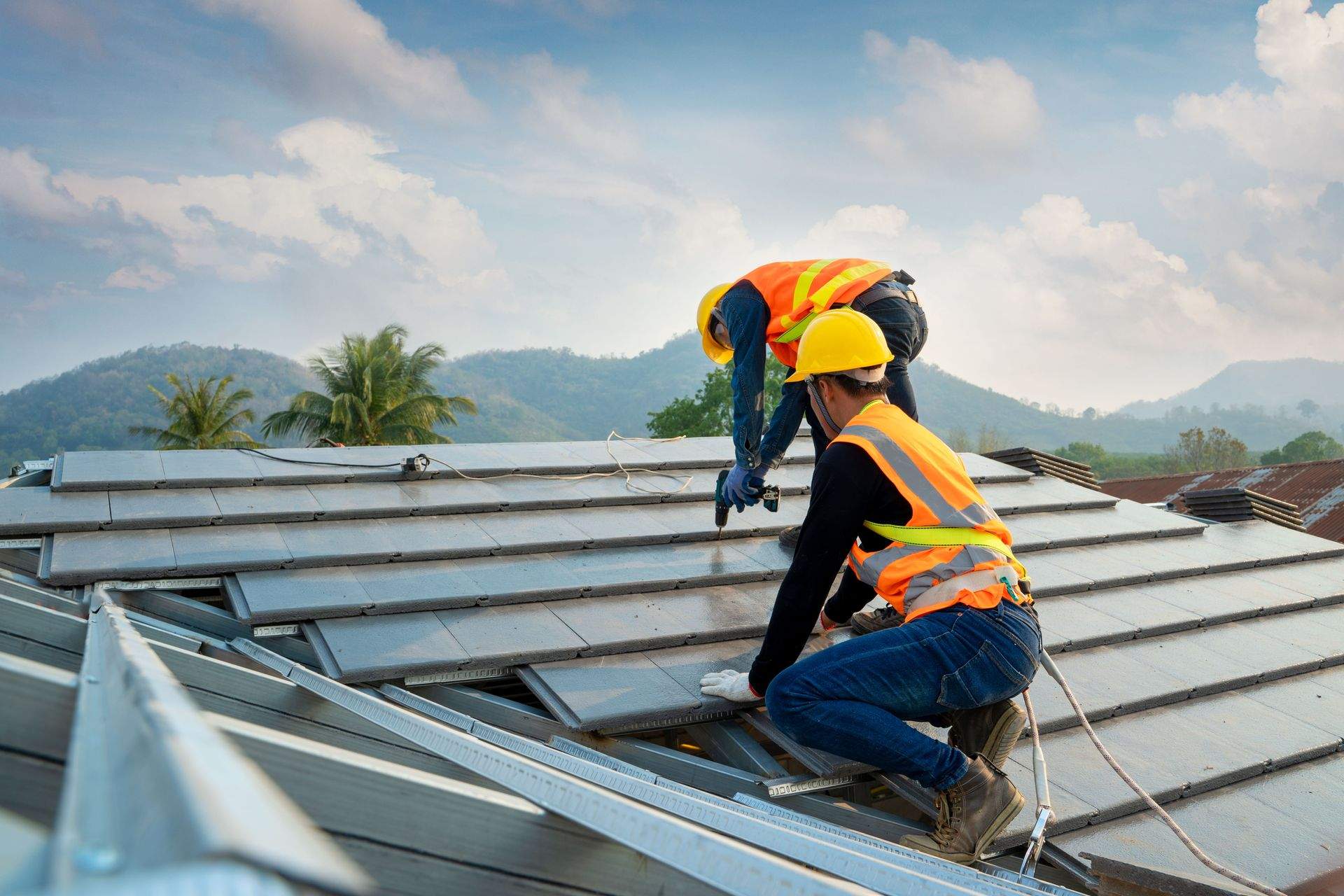
Personal protective equipment, or PPE, is a critical component of worker safety. Hard hats, non-slip boots, gloves, and eye protection guard against common hazards such as falling debris, sharp objects, and unstable surfaces. Fall protection systems like harnesses, guardrails, and anchor points are carefully installed and inspected before any work begins, ensuring that every team member is properly secured.
Consistent use of PPE not only protects crews but also improves efficiency. When workers feel secure, they can focus fully on precise installation techniques. Professional roofing contractors enforce PPE usage as a standard practice across every project, and regular checks ensure that equipment remains in excellent condition throughout the job.
Structured Worksite Procedures
Organization is key to preventing accidents. Roofing contractors establish clear worksite procedures, including material staging, tool storage, and designated movement zones. Separating areas for debris collection and active installation reduces clutter and minimizes trip hazards.
Experienced supervisors oversee the site, ensuring these procedures are followed and adjusting workflows as needed to respond to unexpected challenges. This oversight maintains safety standards from the removal of old roofing to the final installation, keeping the project both orderly and secure, while also supporting efficient progress and high-quality workmanship.
Protecting the Property During Installation
Safeguarding Landscaping and Exterior Features
Roof installation impacts more than just the structure itself. Surrounding landscaping, walkways, and outdoor features must be protected throughout the project. Roofers use protective coverings over plants, shrubs, and outdoor furniture, while driveways and pathways may be shielded from heavy equipment or falling materials.
This careful planning not only prevents damage but also demonstrates a commitment to professionalism and respect for the homeowner’s property. Crews anticipate potential risks, adjusting placement of tools and materials as needed. By doing so, they can maintain efficiency without compromising safety or the integrity of the home’s exterior spaces.
Managing Debris and Waste Removal
Roof installation generates a considerable amount of debris, including old shingles, nails, and underlayment materials. Contractors implement systems to collect and dispose of waste safely, strategically positioning dumpsters so as not to interfere with ongoing work. Magnetic tools are often used to pick up stray nails and small debris, reducing hazards.
Regular cleanup throughout the project prevents dangerous accumulation of materials and helps maintain a safe, organized worksite. Ongoing attention to debris management minimizes the risk of injuries to both workers and homeowners and supports a smooth, efficient installation process.
Preventing Structural Damage During Installation
Before installing new materials, the existing roof is carefully removed, and the underlying decking is thoroughly inspected. Any signs of damage or weakness are addressed immediately, ensuring the new roof has a strong and stable foundation. Proper installation of flashing, underlayment, and ventilation components is essential for maintaining structural integrity and long-term performance.
By strictly following manufacturer guidelines and local building codes, roofing contractors prevent future issues such as leaks, warped decking, or compromised ventilation. This attention to detail not only protects the home during installation but also ensures that the new roof provides reliable, lasting protection for years to come.
Navigating Environmental and Practical Risks
Monitoring Weather Conditions
The weather significantly impacts roof installation safety. Rain, high winds, or extreme heat can create hazardous environments for workers and may compromise the quality of installed materials. Roofing contractors closely monitor forecasts and plan work schedules around changing conditions to maintain safety and efficiency. Crews are trained to recognize subtle weather risks, such as wet surfaces or gusty winds, and take precautions accordingly.
Work may be paused if conditions become unsafe, protecting both crews and the home. Flexible scheduling ensures that materials are installed correctly and under optimal conditions, preventing mistakes, damage, or potential accidents. By proactively managing environmental factors, contractors can maintain high standards of safety and workmanship throughout the project.
Using Proper Tools and Equipment
The right tools are essential for both safety and installation quality. Nail guns, cutting tools, and scaffolding are regularly maintained and used in accordance with strict protocols. Roofing contractors train crews to operate equipment safely on sloped or uneven surfaces, reducing the risk of slips or injury.
Ladders and scaffolding are positioned securely, inspected frequently, and adjusted as necessary to ensure stability. Proper tool usage and safe access points allow workers to focus on precise installation techniques without unnecessary risk. This careful attention to equipment also enhances efficiency, ensuring that work is completed correctly and on schedule.
Coordinating Efficient Project Timelines
Efficiency and safety go hand in hand during roof installation. Well-organized project timelines reduce the time workers spend in elevated or potentially hazardous areas. Clear schedules outline each stage of the project, from preparation and tear-off to underlayment and final inspection, allowing materials and labor to be coordinated effectively.
According to HomeGuide, a newly installed roof can increase a home’s value, offering a typical return of 60% to 85% depending on material choice. By completing the installation safely and efficiently, contractors ensure that homeowners benefit from long-term protection, improved property value, and a high-quality finished roof.
Safety is at the heart of every professional roof installation. Through comprehensive training, protective equipment, organized workspaces, and careful project planning, roofing contractors minimize risk while maintaining high standards of quality. They also protect the property, manage debris, and adapt to environmental conditions to ensure a secure and efficient installation process.
Homeowners benefit from understanding these safety practices, as it highlights the expertise and professionalism behind a successful roof replacement. By choosing experienced contractors who prioritize safety at every stage, property owners can feel confident that their investment will provide lasting protection, enhanced curb appeal, and peace of mind for years to come. If you’re looking for safe and attentive professionals to install your roof, contact Kirkey Roofing Inc today!